Rural and underserved communities

Brian Esterly, CEO of TimeDoc Health, discusses health IT's role in bringing together patients and care teams and facilitating self-care management, particularly for patients with chronic conditions in healthcare deserts.

Foley & Lardner's Nathaniel Lacktman and Louis Lehot discuss which categories of digital health hold the most potential for M&As and why in this contributed piece.

Felisha Norrington, director of academic assistance at GSU’s College of Nursing and Health Professionals, relays the importance of educating students on SDOH, including the challenges of healthcare access faced by rural residents.

The funds will be used to speed up global adoption of AI algorithms on Philips Lumify Handheld Ultrasound to help rural providers identify abnormalities during pregnancy.
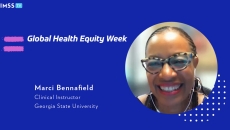
Clinical instructor at Georgia State University's health informatics program Marci Bennafield tells how mobile devices help researchers gauge health inequities and how customizing innovation can help address barriers to access to care.
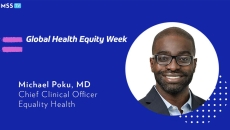
Dr. Michael Poku, chief clinical officer at Equality Health, discusses the high costs of health inequities and the value of investing in independent primary care physicians, along with data to reach a more equitable system.

The funds will be used to develop AI-enabled ultrasound technology for maternal care and pediatric lung health in low- and middle-income countries.

Fifteen projects, including eight digital health initiatives, received $3 million in cash, Google Cloud credits and technical assistance.
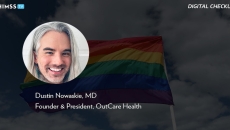
Dr. Dustin Nowaskie, president and founder of OutCare Health, talks about the resources OutCare provides LGBTQ+ people to decrease medical gaslighting and improve the overall healthcare journey.

The partnership will allow Molina's Virginia-based Medicare and healthcare marketplace members access to culturally competent maternal health experts.